10 Things Everyone Makes Up About The Word "Patio Heater Natural Gas"


Natural Gas Patio Heaters
Natural gas patio heaters permit you to offer customers warmth outdoors long after the seasons change, and can increase profits. They require little maintenance and last for a long time.
Keep the heater of your patio away from any flammable materials and follow all manufacturer instructions for testing, servicing, and lighting. A trained technician should fix any leaks.
Installation
Contrary to propane models gas patio heaters are connected directly to your home's natural gas line and are therefore more stable than their portable counterparts. They also heat more quickly and can be used in larger spaces because they can accommodate multiple pipes. However, they require professional installation to ensure proper size of gas lines. Natural gas patio heaters aren't able to be refueled using extension hoses, which means they're not as mobile.
In addition to sizing the lines for your patio heater You'll need to figure out the number of BTUs (billion British thermal units) that you'll need to heat the space. The best way to calculate this is to employ an easy math formula: multiply the square area of your outdoor space by the desired temperature increase. Divide the result by the maximum BTUs that your patio heater can produce to determine the number of units you'll need.
Patio heaters can be mounted on the wall or freestanding. Freestanding models typically have wheels for easy mobility and can accommodate a table or other surface under the burner head. The base is constructed of durable stainless steel with an anti-corrosion finish to ward off corrosion and rust. Wall-mount units, on other on the other hand, are a good option for rooms with high ceilings and that are too big for freestanding models. They can be hung as high as 14 feet and come with a mounting kit comprising a bracket and hose.
It is essential to regularly check for leaks before installing a patio heater. You can spot them with a soapy water solution. You should also check for signs of rust or burning. If you suspect there is leaks in your heater, let a qualified technician or plumber assess the heater and make any necessary repairs.
Apart from checking for leaks, you must also take into consideration whether your patio is in an area that has salt air or is near the ocean. The parts made of metal in the heater are more susceptible to corrosion in an ocean environment. Install a drain pan at the bottom of the gas line to reduce the accumulation of sediment. This can affect heater performance and safety.
Safety
Many people use patio heaters for comfort and ambiance, however it's important to remember to take safety precautions. Set the heater in a location that is well ventilated, away from children and pets, and inspect the heater regularly for signs of wear or damage. Propane or natural gas patio heaters are designed to be used in outdoor areas as they emit harmful gases, such as carbon monoxide when breathed in.
A propane patio heater is equipped with a fuel tank which must be periodically refilled or changed. A majority of gas stations and convenience shops can refill these tanks. It's important to store the tank properly when not in use as it's a fire hazard and should never be stored in a room with other objects that are flammable. When not in use, the propane tank should be capped and the valve shut to prevent leaks.
Propane patio heaters are unstable and could tip over if not placed on a stable surface. To reduce the risk, place standing heaters on an even surface and then fix them with bungee cords or heat-resistant ties in order to prevent them from falling over. Standing heaters are also more likely to topple over if winds blow, so they should be secured with weights to avoid this.
Certain people prefer natural gas patio heaters. It is less expensive to run and can be connected to the natural gas line of your home. These are permanent units, and require professional installation. They should be installed in outdoor areas that are well-ventilated.
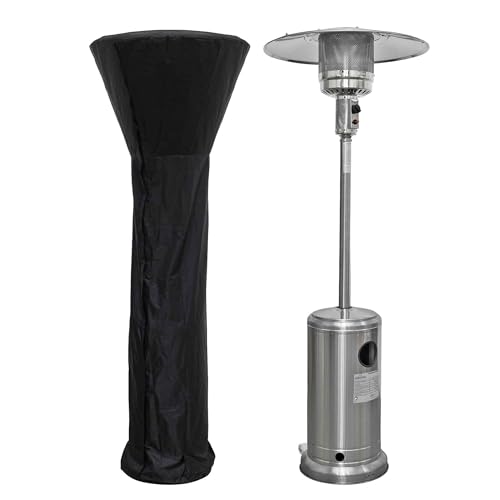
Some patio heaters use infrared technology to warm nearby surfaces rather than heating the air directly. This type of heater is safe for pets and children as it doesn't release any fumes or flames. However, they may not be effective in warmer climates or for large areas. In addition, it's essential to have an infrared carbon monoxide detector near any patio heaters that utilize infrared technology. This will alert you to any harmful carbon monoxide emissions and provide you with the opportunity to extinguish it before it causes a fire or health hazard.
Maintenance
Patio heaters must be inspected and cleaned regularly. It is essential to ensure that the gas line does not have a blockage and that all components are functioning properly. Also, ensure that the propane tank doesn't have a full or empty level. This can cause the heater to operate inefficiently, which could be dangerous. black gas patio heater , orifices and pilot tube should be free of carbon deposits. All openings including the venturi for the burner must be kept clean and free of spider webs and dirt. The stainless steel on the patio heater won't "rust," but varying atmospheric conditions can create brown deposits that need to be rinsed off regularly.
Gas patio heaters are extremely powerful and can quickly warm an extensive area depending on the model. black gas patio heater are great for outdoor areas and are easy to move. They are typically more expensive than electric heaters. They are powered by natural gas or propane and should be used in areas that have good ventilation.
Propane patio heaters have become the most popular because they are portable and easy to refill. They are great for gazebos, pergolas and other covered outdoor areas. They are less expensive but produce fumes, and could pose a fire risk when they are not maintained correctly.
The gas hose or regulator is the connection between the propane tank and the burner unit. It is crucial to replace the gas hose on a regular basis to avoid damage and leaks. The gas regulator should be replaced every 10 years or so regardless of whether there is obvious damage to the device. This is especially important when changing from one size propane cylinder to another.
The most common problem with propane patio heaters is that the flame does not stay lit. This is usually caused by the thermocouple being too far away from the pilot light. This is usually an easy fix by taking off the access panel and using pliers to gently squeeze the two components closer.
Cleaning
Natural gas patio heaters burn efficiently and quickly. They are also extremely mobile and do not require electricity, which means they can be moved from one area of your outdoor space to another. These characteristics make them a great choice for residential or commercial spaces.
The cleaning methods associated with these types of heaters are very simple. Make sure that your propane patio heater is off and is cool to the touch prior beginning cleaning. This will help you avoid accidentally damaging the unit. First remove the top cover and then remove the burner assembly. Make use of a cotton swab to rub alcohol over the venturis of the orifices, the burner, and other parts of the burner assembly. This will help to remove any spider webs and dust that have accumulated.
If your natural gas heater has a painted surface, make sure that you do not paint the emitter grid, lighting instructions, valve or control knob or the cylinder for LP. These areas will need to be cleaned with a mild soap and water solution or car wax a few times a year. This will help protect the finish and keep it looking brand new. This is especially crucial in areas that are prone to traffic or in outdoor areas that is exposed to the elements.